
Toughened vs Laminated Glass: What’s the Difference?
When choosing glass for your home or commercial property, safety, strength and appearance all matter. Two of the most popular options are toughened glass and laminated glass. Both are classed as safety glass, but they are made differently and are suited to different uses. At Osborn Glass, we supply made-to-measure glass for customers across Kingston…
When choosing glass for your home or commercial property, safety, strength and appearance all matter. Two of the most popular options are toughened glass and laminated glass. Both are classed as safety glass, but they are made differently and are suited to different uses.
At Osborn Glass, we supply made-to-measure glass for customers across Kingston upon Thames, South London, Surrey, Kent and the surrounding areas. Whether you are planning a new shower screen, shopfront, glass partition, balustrade or replacement glazing, understanding the difference between toughened and laminated glass will help you choose the right product for your project.
What Is Toughened Glass?
Toughened glass, sometimes called tempered glass, is created by heating standard glass to a very high temperature and then rapidly cooling it. This process changes the structure of the glass, making it much stronger than ordinary annealed glass. The main benefit of toughened glass is its strength. It is designed to withstand impact, pressure, and temperature changes better than standard glass. If it does break, it is designed to shatter into small, blunt-edged pieces rather than sharp shards.
Toughened glass is often used in:
- Shower doors
- Glass tables
- Internal glass doors
- Glass partitions
- Kitchen splashbacks
- Balustrades
- Shopfronts
For homes and businesses in Kingston upon Thames, toughened glass is a practical choice when strength, everyday safety, and a clean, modern finish are important.
What Is Laminated Glass?
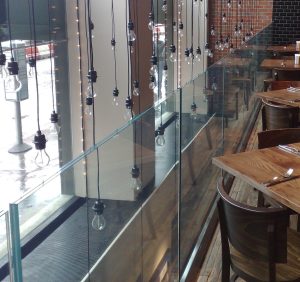
Laminated glass is made by bonding two or more sheets of glass together with a plastic interlayer, usually PVB. This interlayer is the key difference. If the glass is damaged, the broken pieces tend to remain attached to the interlayer rather than fall away. This makes laminated glass especially useful where security, containment or sound reduction are priorities. It is commonly used in car windscreens, shopfronts, overhead glazing and areas where the glass needs to stay in place after impact.
Laminated glass is often used for:
- Security solutions
- Shopfront windows
- Glass balustrades
- Roof glazing and overhead panels
- Street-facing windows
- Commercial properties
- Noise-heavy areas
Because the interlayer helps hold the glass together, laminated glass can make it harder for someone to create an opening after impact. It can also help reduce outside noise, which is useful for properties near busy roads, high streets or transport routes.
Toughened Glass vs Laminated Glass: The Main Differences
The easiest way to compare them is to look at how they behave when damaged.
Toughened glass is more resistant to direct impact and heat stress. When it breaks, it breaks into small pieces. This reduces the risk of serious injury, but once broken, the panel usually needs to be replaced straight away.
Laminated glass may not always have the same impact strength as toughened glass of a similar thickness, but it has an important advantage: it stays together after breaking. This makes it a good option when security, safety after impact, or overhead protection is important.
In simple terms, choose toughened glass when you need strength and safe breakage. Choose laminated glass when you need the glass to remain in place after impact.
Which Type of Glass Is Best for Your Project?
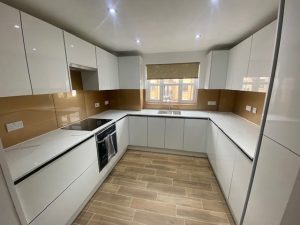
The right choice depends on where the glass will be installed and what you need it to do. For a shower screen, splashback, table top or internal glass partition, toughened glass is often the best solution. It is strong, durable and well-suited to everyday use. For a shopfront, balcony, rooflight, or security-focused installation, laminated glass may be more suitable because it helps keep the glass intact if it is damaged. In some cases, the best option is toughened laminated glass, which combines the benefits of both. This is often used where strength and containment are both essential, such as balustrades, structural glass and certain commercial applications.
Safety Glass and Building Regulations
Safety glass may be required in certain areas, especially where there is a higher risk of damage. This can include doors, public-facing areas and commercial buildings. Requirements vary depending on the project, so it is always worth getting professional advice.
At Osborn Glass, our team can advise on the most suitable type, thickness and finish for your glass, helping you choose a solution that looks right and performs properly.
Speak to Osborn Glass
If you are comparing toughened and laminated glass for a project in South London, our experienced team is here to help. We offer a wide range of bespoke glass products for homes, shops, offices and commercial spaces. From made-to-measure safety glass to decorative panels, partitions, mirrors, splashbacks and specialist glazing, we can cut, supply and install glass to suit your exact requirements.
Contact Osborn Glass today for friendly advice or a free quote for your next glass project.
Recommended Articles
How to Use Smoked Antique Mirrors in Interior Designing
7 years ago10313 viewsWhy Stained Glass Is Making a Modern Comeback
1 year ago2877 viewsHow do you clean glass splashbacks?
4 years ago4079 viewsYour handy guide to glass splashbacks
4 years ago11274 viewsA beginner’s guide to bevelled glass
4 years ago4244 viewsToughened vs Laminated Glass: What’s the Difference?
5 months ago1866 views